
L’atelier Vé: 5 tips for a calming space
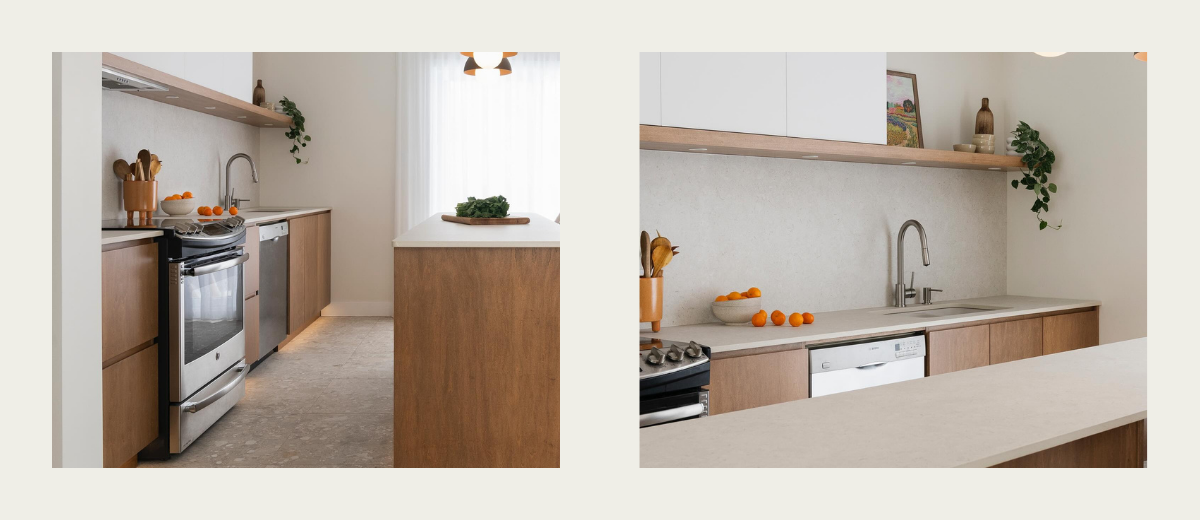
Creating a calming interior means consciously choosing proportions, textures, and light. Here are five essential tips shared by Vanessa Zbinden, founder of the interior design studio L’atelier Vé, for transforming a space into a peaceful haven. These practical insights guide us toward lasting balance, beyond fleeting trends.
Tip 1: Reduce Visual Overload
Even before discussing colors or materials, creating a calming atmosphere begins with visual balance.
L’atelier Vé shares a very insightful observation:
“When you enter a room, the first thing you notice is the visual clutter. A space that is too cluttered, or conversely, too empty, forces the eye to search for points of reference, which detracts from the feeling of calm. (…) This is why comfortable furniture, warm textures, and meaningful objects can immediately create an impression of rest and security.”
A calming space remains organized yet vibrant, neither sterile nor overcrowded.
Biophilia—literally “love of living things”—refers to our instinctive connection with nature. In interior design, it translates into the integration of natural elements that tangibly reduce stress and improve mood.
In practical terms, this means prioritizing natural light as much as possible, incorporating air-purifying plants, choosing raw materials like wood or stone, and creating views to the outdoors. These elements are not merely decorative, but address a deep-seated physiological need.
Research confirms that we spend more than 90% of our time indoors. Reconnecting our living spaces to natural cycles is therefore essential for our daily well-being.
Tip 2: Focus on sensory perceptions, not just aesthetics
We tend to think that calming is solely visual, but the reality is much richer. A truly calming space engages all our senses harmoniously: we feel the softness of textiles that naturally absorb sound, we perceive the light softened by matte surfaces, we appreciate the tactile warmth of natural materials under our fingers.
This sensory approach transforms our relationship with space. We no longer simply look at an interior; we fully inhabit it. This is precisely the philosophy that L’atelier Vé develops in their interior design practice.
“Calming comes from comfort and sensory perceptions. (…) Touch, for example, with soft, enveloping, and natural textures, or smell, thanks to plants, flowers, candles, or essential oils, contribute significantly to the atmosphere. Hearing should not be forgotten either.” Poor acoustics, echoes, resonance, or inadequate soundproofing can make a space unpleasant and stressful.
Vanessa adds:
“Being able to vary, dim, and adjust the lighting completely changes the atmosphere, since light that is too bright or too cold keeps the body in alert mode.”
Tip 3: Choose Colors and Materials Consciously
Colors profoundly influence our inner state.
As L’atelier Vé reminds us:
“Several studies show that colors unconsciously influence our perceptions, our mood, and even our behavior. Soft, neutral tones promote calm, warm colors stimulate energy, and more vibrant colors can foster creativity or even create tension.”
Textures are just as important:
“Soft, natural, or slightly imperfect surfaces, such as wood, linen, or wool, bring warmth, comfort, and familiarity, while cold or overly rigid materials can make a space feel generic, sterile, or less welcoming.”
A calming space embraces a certain texture, depth, and authenticity.
Tip 4: Use Surfaces and Tiles to Structure Calm
Surfaces play a fundamental role in the perception of a space. Large-format tiles minimize grout lines and create a soothing visual flow, while a tone-on-tone grout blends seamlessly into the overall design to maintain harmony.
L’atelier Vé emphasizes:
“Natural stone or stone-effect materials create a calming backdrop that doesn’t overwhelm the eye. Neutral or natural tones (beige, warm gray, terracotta) are also all suitable. Matte or slightly textured surfaces bring warmth and a reassuring feel, unlike ultra-glossy surfaces that can seem cold or harsh.”
“Large-format tiles are ideal because there are fewer grout lines, meaning fewer lines to distract the eye, and this immediately creates a more fluid and calming impression.”
“A tone-on-tone grout blends seamlessly into the overall design and creates harmony, while a contrasting or colored grout draws the eye and adds dynamism to the pattern.”
A tile is never just a surface. It becomes a background, a rhythm, a breath.
Tip 5: Avoid Mistakes That Disrupt the Balance
Certain mistakes can quickly compromise the feeling of calm. Poorly proportioned furniture, oversized pieces, or obstructed circulation disrupt our perception.
Visual overload is one of the main sources of stress: “(…) when poorly balanced, too many objects, colors, or patterns prevent the eye from settling and make the space tiring.”
Too much white is also a mistake to avoid.
“(…) Minimalist white, clinical, without personality. (…) everything becomes generic, cold, impersonal, and repetitive.”
These 5 tips outline a thoughtful approach to interior design. Rather than seeking absolute neutrality, one can choose soft yet assertive hues, natural materials, and personalized spaces that reflect an identity.
True calm arises from the balance between function and emotion, between technique and sensitivity. Every surface, every texture, every nuance contributes to creating that atmosphere of refuge we all seek in our homes.
At La Tuilerie, we support this approach by selecting materials that embody this philosophy: large-format tiles with matte textures, natural stones in soothing tones, surfaces that invite touch and create harmonious continuity in your projects.
The advice of L’atelier Vé reminds us that a calming interior cannot be decreed; it is built with care, patience, and respect for fundamental human needs. The space then becomes much more than mere decor: it becomes a true haven of daily well-being.
About
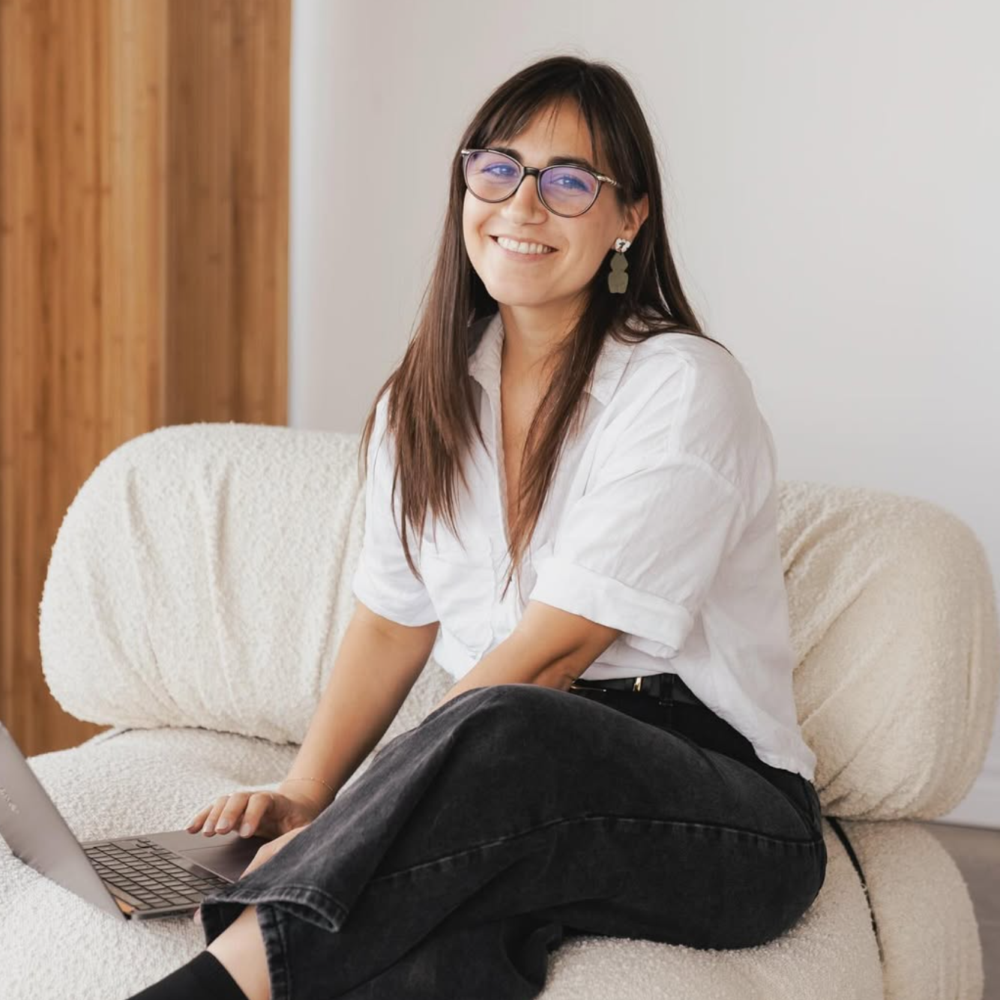
L’atelier Vé embodies a unique expertise in interior design, developed through a sensitive approach that goes far beyond pure aesthetics. Their creative philosophy is based on a deep understanding of the interactions between people and their environment. As interior designers, they have mastered the delicate art of designing spaces by playing with materials, harmony, and the character of textures and colors to achieve a unique and immersive result that truly reflects each client’s identity. This expertise translates into a rare ability to transform technical constraints into creative opportunities, giving rise to interiors that tell a story.
FAQ – Tips for creating a calming space
What are the best tips for making an interior more soothing?
L’atelier Vé: 5 tips for a calming space
Reduce visual clutter, favor soft and natural colors, choose matte or slightly textured finishes, and work with adjustable lighting. The balance between proportions, materials, and light is essential.
Toggle title
L’atelier Vé: 5 tips for a calming space
A decorating tip is a practical and ingenious piece of advice that can improve the aesthetics or functionality of a space, often in a simple and accessible way.
What colors should you choose for a calming space?
L’atelier Vé: 5 tips for a calming space
Neutral and natural tones such as beige, warm grey, soft terracotta or mineral shades promote a calm atmosphere that is consistent with natural light.
How to integrate biophilia into interior design?
L’atelier Vé: 5 tips for a calming space
Biophilia is expressed through the integration of natural elements: prioritizing natural light, adding air-purifying green plants, choosing raw materials like wood or stone, and creating views to the outdoors. These elements respond to a deep physiological need for connection with nature.
What mistakes should be avoided to preserve the balance of a space?
L’atelier Vé: 5 tips for a calming space
Avoid visual overload with too many objects, colors, or patterns. Be mindful of poorly proportioned furniture, oversized pieces, and obstructed flow. Minimalist, clinical white can also create an impersonal and cold environment.
What materials should be preferred for a calming effect?
L’atelier Vé: 5 tips for a calming space
Natural materials with soft, slightly imperfect surfaces, such as wood, linen, or wool, bring warmth and a sense of familiarity. Natural stone or its effects create a calming backdrop, while matte textures offer a reassuring touch.
Why choose large format tiles for a calming space?
L’atelier Vé: 5 tips for a calming space
Large-format tiles limit the number of joints, reducing lines that “clutter” the eye. They create a soothing visual fluidity, especially with a tone-on-tone grout that blends into the overall design and preserves the general harmony.